


Bird Dander Allergy: What Every Bird Owner (and Aspiring Owner) Should Know
Bird dander allergies affect an estimated 5-10% of bird owners and can develop even after years of comfortable bird ownership. Unlike cat or dog allergies, bird allergies involve not just dander (skin cells) but also feather dust, dried saliva, and proteins in bird droppings. Symptoms range from mild sneezing to serious respiratory reactions, and the allergens are particularly airborne and persistent. Understanding what triggers bird allergies and how to reduce exposure can help you decide whether bird ownership is for you.
Key Takeaways
- Bird allergies involve multiple allergen sources: dander, feather dust (also called powder down), dried saliva, and proteins in feces
- Parrots, cockatoos, and cockatiels produce more powder down than most other bird species
- Symptoms can develop suddenly, even after years of living with birds without issues
- Bird allergens are extremely lightweight and remain airborne longer than cat or dog dander
- Many people with bird allergies can successfully keep birds with proper environmental controls
- Air quality management is critical, more so than with other pet allergies
What Makes Bird Allergies Different
When most people think about pet allergies, they picture dogs and cats. Bird allergies don't get nearly as much attention, but they're surprisingly common among bird owners—and they work differently than mammal allergies in ways that matter for management.
What makes bird allergies uniquely challenging is that you're not just dealing with skin cells. Birds produce several different types of allergens:
Feather dust (powder down): Many bird species—particularly cockatoos, cockatiels, African greys, and Amazons—produce fine dust from specialized feathers that continuously disintegrate. This powder helps waterproof and condition feathers. It's incredibly fine, lightweight, and becomes airborne easily. If you've ever owned a cockatoo, you know this dust gets everywhere. It coats surfaces, floats in the air, and some bird owners describe it as looking like the bird has been dusted with powdered sugar.
Dried saliva: Birds preen constantly, spreading saliva across their feathers. When this saliva dries, it flakes off and becomes airborne. Like cat allergen Fel d 1 (found in cat saliva), these dried saliva particles are potent allergens.
Proteins in droppings: When bird feces dry, they create dust containing allergenic proteins. This is particularly concerning because dried fecal matter can remain in the environment and become airborne with disturbance.
Actual skin dander: Like all animals with skin, birds shed microscopic skin cells. These cells carry proteins that can trigger immune responses.
A 2019 study in the Journal of Investigational Allergology and Clinical Immunology found that bird allergens are detectable in the air and on surfaces in homes with birds at levels sufficient to trigger reactions in sensitized individuals. The lightweight nature of feather dust means it stays airborne significantly longer than heavier cat or dog dander particles.
Which Birds Produce the Most Allergens
Not all birds are equal when it comes to allergen production. If you're considering getting a bird and have allergy concerns—or if you're trying to figure out why your current bird is causing reactions—species matters.
High allergen producers:
- Cockatoos (all species) - These are powder factories. They produce more feather dust than almost any other pet bird.
- Cockatiels - Smaller but still significant powder down producers
- African Grey Parrots - Heavy powder down production that is grey in color
- Amazon Parrots - Moderate to high powder down
Lower allergen producers:
- Parakeets (budgies) - Minimal powder down
- Canaries - Very little powder down
- Finches - Minimal powder down production
- Lovebirds - Less powder than larger parrots
That said, even "low allergen" birds produce dander and dried saliva. There's no truly hypoallergenic bird species, just as there's no truly hypoallergenic dog or cat breed. The proteins that trigger allergic reactions are present in all birds, just in varying quantities.
Recognizing Bird Allergy Symptoms
Bird allergy symptoms can be immediate (within minutes of exposure) or delayed (developing over hours). This is important because delayed reactions can make it harder to identify the source of your symptoms.
Common symptoms include:
Respiratory symptoms: These are the most frequent reactions. Sneezing, runny or stuffy nose, coughing, wheezing, shortness of breath, and chest tightness. For people with asthma, bird allergens can trigger serious asthma attacks.
Eye symptoms: Itchy, watery, red eyes are common. Some people develop conjunctivitis (pink eye) from bird allergen exposure.
Skin reactions: Hives, itching, or eczema flares can occur, particularly in people who handle birds directly.
Hypersensitivity pneumonitis: This is serious and bears specific mention. Also called "Bird Fancier's Lung." It's a lung inflammation caused by repeated exposure to bird antigens. Unlike typical allergic reactions, this involves the deep lung tissue. Symptoms include shortness of breath, fever, chills, cough, and fatigue. It can develop gradually with chronic exposure and may not be recognized as bird-related immediately.
A 2017 study in Chest journal found that approximately 6-15% of people with significant bird exposure develop hypersensitivity pneumonitis. This condition requires medical attention—it's not something you can manage on your own.
Why Bird Allergies Can Develop Suddenly
One of the most confusing aspects of bird allergies is that they can develop after years of comfortable bird ownership. You might live with parrots for five years without issues, then suddenly start experiencing reactions.
This happens because allergies involve sensitization. Your immune system needs repeated exposure to an allergen before it decides that protein is a threat. For some people, this sensitization happens quickly. For others, it takes years of accumulated exposure.
Research on allergen sensitization shows that there's often a threshold effect. Your immune system tolerates exposure up to a certain point, then something tips the balance. It could be:
- Accumulated allergen load in your environment that reaches a critical level
- A period of intense exposure (like cleaning the bird cage area and stirring up concentrated allergen dust)
- Changes in your immune system from illness, stress, hormonal changes, or aging
- Adding another bird to your household increases overall allergen production
Once sensitization occurs, your immune system has "learned" to react to bird proteins, and that sensitivity typically persists even with reduced exposure.
Managing Bird Allergies Without Giving Up Your Birds
Here's what matters most to people reading this article: Can you keep your birds if you develop allergies? For many people, yes—with significant modifications.
I've talked with bird owners over the years who faced this exact dilemma. The bond between birds and their humans is powerful. These are intelligent, social animals that can live 20-80 years depending on the species. Rehoming a parrot you've bonded with isn't a decision anyone makes lightly.
Effective management requires multiple approaches working together:
Air quality control (critical): HEPA air purifiers are non-negotiable. Unlike cat or dog dander that settles relatively quickly, feather dust and bird dander remain airborne. You need continuous air filtration. Place HEPA purifiers in rooms where birds spend time and in your bedroom. Look for units rated for appropriate room size and specifically designed to handle ultra-fine particles.
Cage cleaning: Regular, thorough cleaning reduces allergen accumulation. But here's the catch—cleaning disturbs settled allergens and makes them airborne again, potentially triggering reactions. Some bird owners find they need to leave the house during major cage cleaning and let HEPA filters run for hours before returning.
Cage location matters: Keep bird cages out of bedrooms entirely. You spend 7-9 hours sleeping, and that's 7-9 hours of uninterrupted exposure if birds are in your bedroom. Even with air purifiers, separating sleeping areas from bird areas reduces overall allergen load.
Shower immediately after handling birds: Bird allergens transfer to your hair, skin, and clothes during handling. Showering and changing clothes after significant bird interaction reduces the allergens you carry with you.
Delegate cage cleaning if possible: If someone else in your household can handle cage cleaning and the associated allergen exposure, this would significantly reduce your peak exposure times.
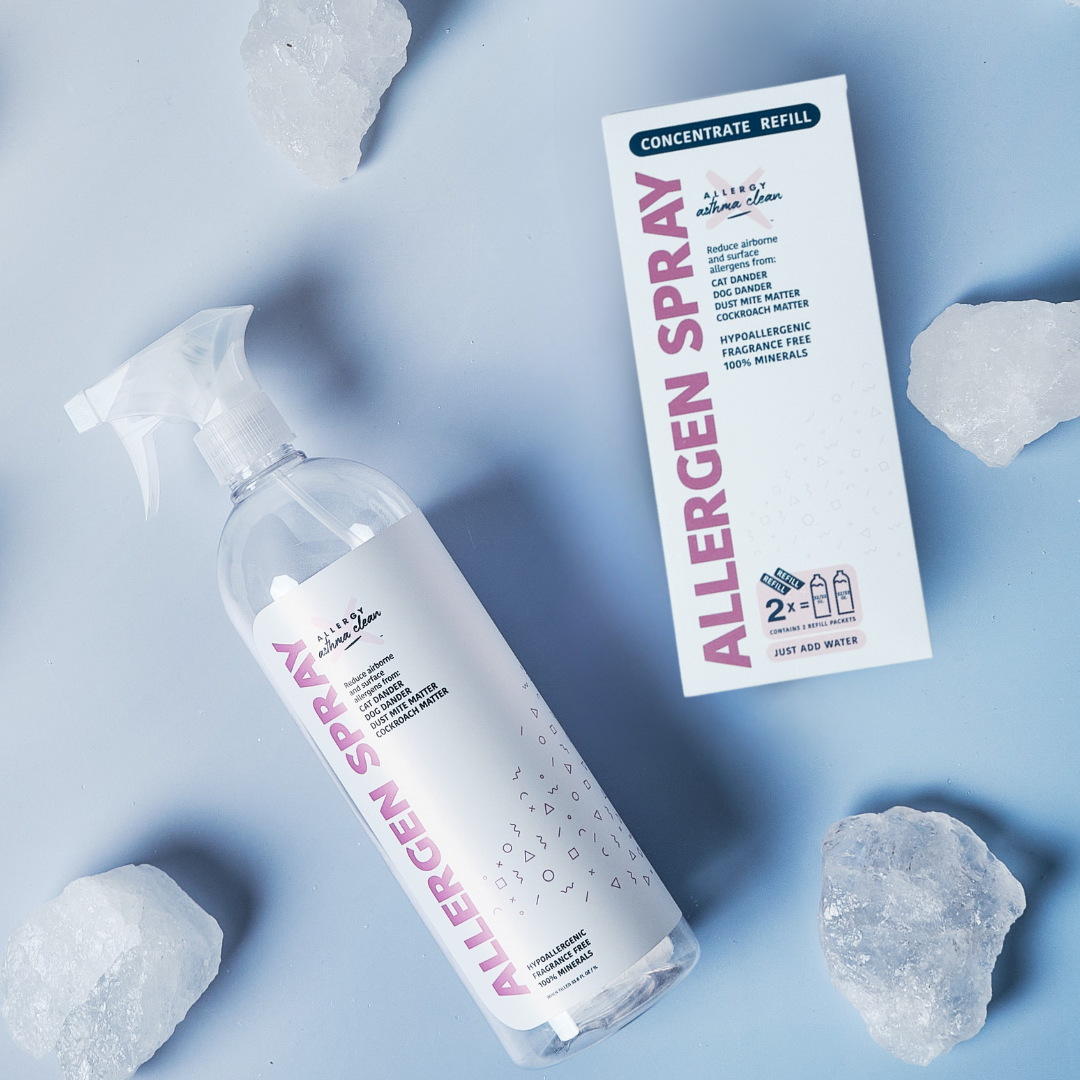
Target allergen proteins directly: This is where our family's approach differs from just physical cleaning and air filtration. We developed our allergen spray specifically to neutralize the protein structure of allergens at the source. It works on bird allergens the same way it works on cat dander (Fel d 1) and dog dander (Can f 1)—by binding to the proteins through ionic interaction and disrupting their stability.
The mineral-based formula doesn't just capture allergens (like HEPA filters do) or wash them away temporarily (like cleaning does). It changes the protein structure so the allergens become biologically inactive. You spray it in the air around the bird cage area, on surfaces where feather dust settles, and in common areas. The minerals are the same compounds found in foods—FDA GRAS certified—so it's safe to use around birds.
Our third-party testing through INBIO verified up to 99% reduction in airborne allergens. For bird owners, this means you're not just moving allergens around or temporarily removing them—you're actually neutralizing their ability to trigger reactions.
When Bird Ownership Isn't Safe
I want to be realistic here. For some people, bird allergies become too severe to manage safely, even with aggressive environmental controls.
If you experience any of these, you need to consult with an allergist and seriously consider whether bird ownership is worth it:
- Progressive worsening of symptoms despite modifications
- Development of hypersensitivity pneumonitis (Bird Fancier's Lung)
- Severe asthma attacks triggered by bird exposure
- Anaphylactic reactions (extremely rare but documented)
- Significant impact on quality of life despite treatment
Bird Fancier's Lung is particularly concerning because it can cause permanent lung damage if exposure continues. If your doctor diagnoses hypersensitivity pneumonitis, removing exposure to bird allergens usually isn't optional—it's medically necessary.
Testing for Bird Allergies
If you suspect bird allergies, proper testing helps confirm the diagnosis. Allergists can perform:
Skin prick tests: A small amount of bird allergen extract is pricked into your skin. If you're allergic, a raised bump (wheal) develops within 15-20 minutes. This test tests immediate-type allergic reactions.
Blood tests (specific IgE): These measure antibodies your immune system produces in response to bird allergens. Blood tests are useful if skin testing isn't safe (like for people with severe skin conditions or those taking certain medications).
Pulmonary function tests: If hypersensitivity pneumonitis is suspected, lung function testing helps assess the respiratory impact.
Challenge testing: In some cases, controlled exposure to bird allergens in a medical setting helps confirm the diagnosis, though this is less common and only done when necessary for diagnosis.
The most common bird allergen panels test for proteins from budgies, parrots, canaries, and pigeons. Testing positive for one bird species doesn't necessarily mean you'll react to all birds, but cross-reactivity is common.
Living With Birds and Allergies: Real Talk
I've learned through customer conversations that people dealing with bird allergies want honest information, not just clinical details. So here's the reality:
Managing bird allergies requires consistent effort. You can't just install an air purifier and forget about it. This is daily environmental maintenance—running filters continuously, cleaning regularly, treating surfaces with allergen-neutralizing products, and being mindful of exposure.
Some days will be harder than others. Molting season, when birds shed and replace feathers, typically increases allergen production. You might need to intensify your management approach during these periods.
The emotional component is real. If you develop allergies after years with your bird, there's grief involved. Your relationship with your pet changes. You might not be able to handle your bird as freely as you once did. Some people can't kiss their birds anymore (yes, many bird owners kiss their parrots—it's a thing). These losses matter.
But for many bird owners, environmental management makes ongoing bird ownership possible. The key is catching allergies early, implementing comprehensive controls before symptoms become severe, and being realistic about what you can manage long-term.
Special Considerations for Aviaries and Multiple Birds
If you keep multiple birds or maintain an aviary, allergen management becomes significantly more challenging. The allergen load from multiple birds compounds—you're not just doubling exposure with two birds versus one. Feather dust, dander, and dried fecal matter accumulate faster and in greater quantities.
Outdoor aviaries provide natural ventilation that reduces indoor allergen concentration, but many bird species can't live outdoors year-round depending on your climate. Indoor aviaries require industrial-strength air filtration and more aggressive environmental controls.
Some serious bird enthusiasts with allergies create separate "bird rooms" with dedicated HVAC systems, air purifiers running constantly, and strict protocols about showering and changing clothes when moving between the bird room and living spaces. This works, but it requires space, money, and commitment.
Prevention: What If You Don't Have Allergies Yet?
If you're considering getting birds and don't currently have allergies, there's no guaranteed way to prevent sensitization. But research suggests some practices might reduce risk:
Start with lower-allergen species if allergies are a concern. Budgies and finches produce less feather dust than cockatoos and African greys.
Install HEPA filtration from day one rather than waiting until problems develop. Reducing baseline allergen exposure may decrease sensitization risk.
Maintain excellent cage hygiene to minimize allergen accumulation. Regular cleaning—even when you're not allergic yet—keeps environmental allergen levels lower.
Consider allergen-neutralizing approaches early rather than treating it as something you only need if allergies develop. Using mineral-based allergen sprays preventively maintains lower allergen loads in your environment.
There's no research definitively showing these approaches prevent bird allergy development, but they align with general principles of allergen exposure management.
The Bottom Line for Bird Lovers
Bird allergies are real, surprisingly common, and can develop even after years of comfortable bird ownership. The lightweight, persistent nature of bird allergens—particularly feather dust—makes them challenging to manage but not impossible.
If you develop bird allergies, you're facing difficult decisions. For some people, aggressive environmental controls combined with allergen-neutralizing products make continued bird ownership manageable. For others, particularly those developing hypersensitivity pneumonitis or severe asthma, medical necessity may require rehoming birds.
What I've learned from our family's journey with allergies—starting with my daughter's severe reactions that nearly killed her—is that understanding the science empowers you to make informed choices. Bird allergens are proteins. Those proteins can be targeted, neutralized, and managed if you have the right tools and knowledge.
There's no judgment here about whether you choose to keep your birds or rehome them if allergies develop. Both are valid choices depending on your specific situation, symptom severity, and what you can manage long-term. What matters is making that choice based on accurate information about what bird allergies involve and what actually works to reduce exposure.
For our family, developing tools that neutralize allergen proteins at their source changed everything. It's why we can help bird owners create healthier environments where they can continue enjoying the incredible experience of sharing life with these remarkable animals.
Resources for Bird Owners With Allergies
- The Association of Avian Veterinarians provides resources on bird health and environmental management
- The Journal of Investigational Allergology and Clinical Immunology publishes research on avian allergens
- Indoor Biotechnologies (INBIO) conducts allergen testing and research—the same lab we partnered with to verify our allergen spray effectiveness
About Allergy Defender: We're a family-owned business that started when my dad created solutions for my life-threatening childhood allergies. After my severe allergic asthma attack from "hypoallergenic" dogs, he spent over 10 years working with chemists to develop our allergen spray. Our mineral-based formula neutralizes allergenic proteins from pets, dust mites, and other sources—verified through third-party testing by INBIO, the world leader in allergen detection. We've helped over 300,000 customers create healthier homes where they can live comfortably with the animals they love. Our products contain only food-grade minerals—no harsh chemicals, fragrances, or plant-based ingredients that could trigger additional reactions.