

Dander Wipes for Cats: The Complete Guide to Reducing Cat Allergens
Cat dander wipes are specialized grooming products designed to reduce Fel d 1, the primary protein responsible for cat allergies. Regular use can help manage allergen levels between baths, though they work best as part of a comprehensive allergen reduction strategy that includes environmental cleaning and air filtration.
Key Takeaways
- Fel d 1 allergen in cat saliva and skin cells causes reactions in 10-20% of the global population
- Cat-specific wipes with ingredients like aloe vera and colloidal oatmeal are formulated for feline pH levels
- The global pet wipes market reached $720 million in 2025 and is growing at 6.5% annually
- Wipes should be hypoallergenic, fragrance-free, and free from harsh chemicals like parabens and alcohol
- Daily or every-other-day wiping provides the most consistent allergen reduction
Understanding Cat Allergens: What You're Really Fighting
If you're one of the millions dealing with cat allergies, you're not actually allergic to cat fur—you're reacting to proteins found in cat saliva, skin cells, and urine. The main culprit is Fel d 1, a protein that becomes airborne when cats groom themselves and causes reactions in an estimated 10-20% of the global population.
Cat dander—those microscopic skin flakes—carries this protein throughout your home. Research shows that these particles are incredibly sticky and can remain active in your environment for months, clinging to carpets, furniture, and even your clothes. Even hairless breeds produce Fel d 1, making it nearly impossible to find a truly hypoallergenic cat.
Why Cat Dander Wipes Are Worth Considering
Here's the reality: you can't bathe your cat every day. Most cats actively resist water, making frequent baths stressful for both of you. This is where dander wipes come in. They offer a practical middle ground—a way to reduce allergens between baths without the drama.
The pet wipes market has exploded recently, reaching $720 million globally in 2025 with projections to hit $1.33 billion by 2035. This growth reflects real demand from pet owners looking for convenient solutions to manage allergens, dander, and general cleanliness.
What Makes Cat Wipes Different from Baby Wipes?
You might be tempted to reach for baby wipes, but here's why that's not ideal: cat-specific wipes are formulated to match feline pH levels, which differ from human skin. Baby wipes often contain fragrances, preservatives, and additives that can irritate your cat's skin or even be harmful if ingested during grooming.
Quality cat dander wipes typically include:
- Aloe vera for soothing and moisturizing (though aloe vera can be considered harmful to cats)
- Vitamin E for skin health
- Colloidal oatmeal to reduce dander and calm irritation
- Hawaiian Awapuhi extract for coat conditioning
These ingredients work together to clean your cat's fur while maintaining the integrity of their natural skin barrier—something that's critical since cats spend hours grooming themselves and will inevitably ingest whatever's on their fur.
The Science Behind Effective Dander Reduction
Research has shown that regular grooming with appropriate products can significantly reduce allergen levels. While wipes alone won't eliminate all Fel d 1, they can temporarily lower the amount of active allergen on your cat's fur, particularly when used as part of a broader allergen management strategy.
Here's how wipes work mechanically—they physically remove dander, saliva residue, and loose fur from your cat's coat. This is different from products that claim to neutralize allergens at the molecular level. Wipes are a cleaning tool, not a cure.
What to Look for When Shopping for Cat Dander Wipes
Not all wipes are created equal. When you're browsing options, prioritize these features:
Hypoallergenic Formula
Look for wipes specifically marketed as hypoallergenic. These are formulated to minimize the risk of triggering reactions in both cats with sensitive skin and humans with allergies.
Fragrance-Free or Lightly Scented
Cats have incredibly sensitive noses—about 14 times more sensitive than humans. Heavy fragrances can be overwhelming and may even cause your cat to avoid grooming altogether. Unscented options are usually best.
Natural Ingredients
Opt for wipes with plant-based or natural ingredients. Avoid products containing alcohol, parabens, phthalates, or harsh chemicals. These can dry out your cat's skin or cause irritation.
Appropriate Thickness and Texture
Wipes need to be durable enough to handle grooming without tearing, but soft enough to be gentle on your cat's skin. Customer reviews frequently mention this as a make-or-break feature.
Proper Packaging
Believe it or not, this might seem minor, but wipes that dry out quickly are essentially useless. Look for resealable packaging that actually stays sealed. It's a common complaint across reviews.
How to Use Cat Dander Wipes Effectively
Using dander wipes isn't complicated, but doing it right makes a difference. Here's the approach that works for most cat owners:
- Start when your cat is calm and relaxed—post-nap is usually ideal
- Begin at the head and work backward toward the tail, following the direction of fur growth
- Pay extra attention to areas where dander accumulates: around the face, chest, and back
- Use gentle, stroking motions—think petting, not scrubbing
- Fold the wipe to a clean section as it picks up dander
For frequency, daily wiping provides the most consistent allergen reduction, but even every other day can make a noticeable difference. The key is consistency rather than occasional deep-cleaning sessions.
Real Results: What Cat Owners Are Saying
Consumer feedback on popular cat dander wipes shows mixed but generally positive results. Products with natural ingredients like colloidal oatmeal consistently receive high ratings for dander reduction—around 4.4 out of 5 stars on average.
Common praise focuses on:
- Noticeable reduction in sneezing and itchy eyes
- Softer, shinier coat after regular use
- Convenience compared to bathing
The most frequent complaints relate to wipes being too thin, drying out quickly, or being smaller than expected—all issues that come down to product quality rather than the concept itself.
Beyond Wipes: Building a Complete Allergen Defense System
Here's the honest truth: dander wipes alone won't solve severe cat allergies. They're most effective when paired with other allergen reduction strategies. Think of them as one tool in your toolkit, not the entire solution.
For comprehensive allergen control, consider combining wipes with:
Environmental Spray Solutions
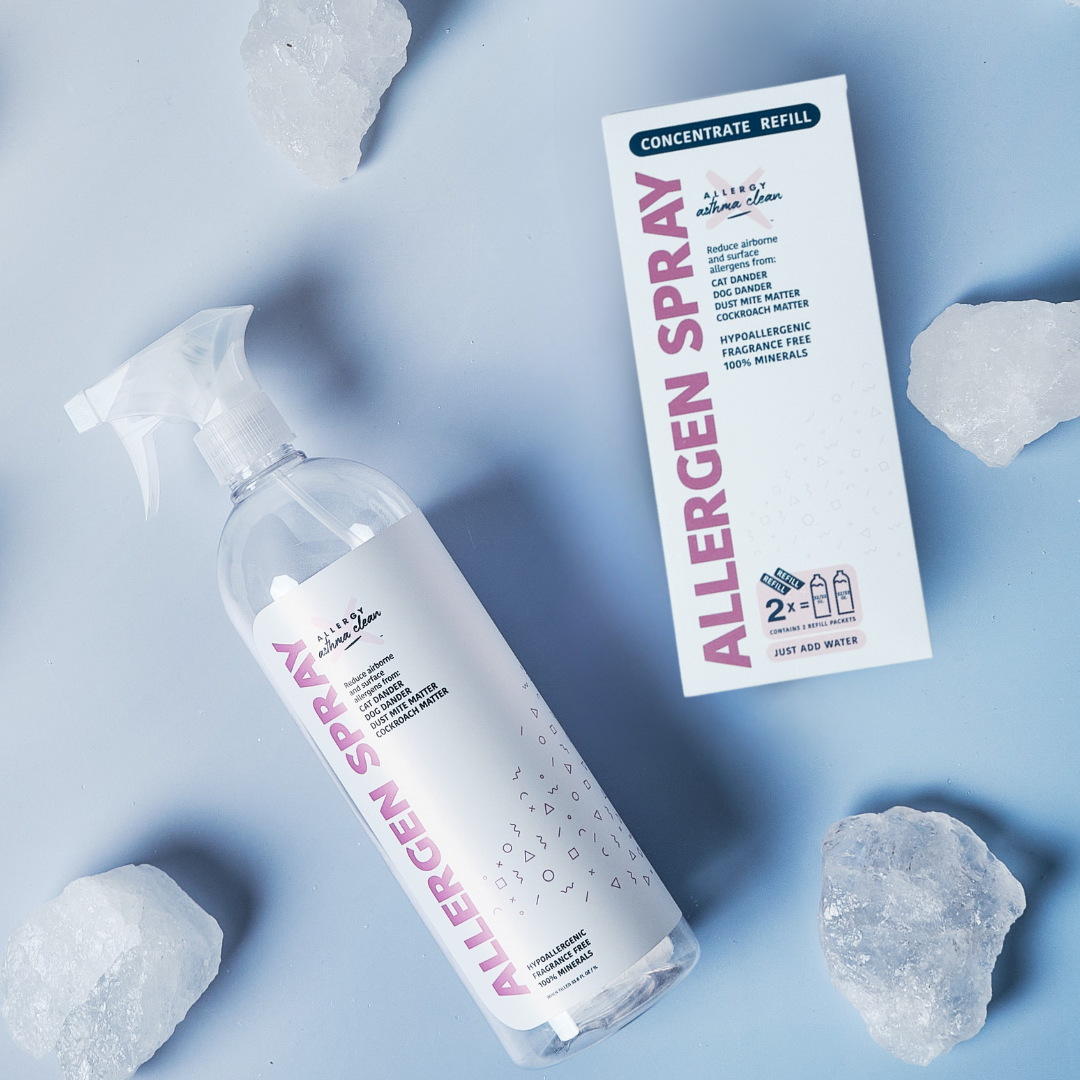
Products like Allergy Defender's Allergen Spray work on both surfaces and in the air to neutralize allergens where they accumulate—in carpets, furniture, and bedding. Our mineral-based formula has been third-party verified to reduce up to 99% of major allergens on surfaces.
Regular Vacuuming with HEPA Filters
Standard vacuums can actually make allergens worse by stirring them into the air. HEPA filtration traps particles as small as 0.3 microns—smaller than most allergen proteins.
Air Purification
True HEPA air purifiers can capture airborne dander, though they don't address allergens that have already settled on surfaces.
The Bottom Line on Cat Dander Wipes
Cat dander wipes are a practical, low-stress way to reduce allergen levels between baths. They won't eliminate your allergies entirely, but they can make living with your cat more comfortable—especially when used consistently as part of a broader allergen management plan.
The best approach? Use quality wipes regularly, maintain a clean home environment with allergen-neutralizing products, and pay attention to what actually works for your specific situation. Every cat and every allergy is different, so finding your winning combination might take some experimentation.
For comprehensive allergen control beyond wipes, explore our science-backed solutions. This mineral-based Allergen Spray works both on surfaces and in the air to tackle allergens at their source—so you can finally breathe easier in your own home.