

Histamine: What Does It Do? It's Fascinating!
Histamine is a powerful chemical messenger produced by your immune system that plays essential roles in everything from fighting infections to regulating sleep, digestion, and brain function. While often blamed for allergic reactions, histamine is actually vital for survival—it's only when your body releases too much in response to harmless triggers like pollen or pet dander that problems arise. Understanding how histamine works helps you manage allergies more effectively and appreciate why your body reacts the way it does.
Key Takeaways - Histamine is a naturally occurring chemical compound that acts as a neurotransmitter, immune signal, and regulatory molecule throughout your body - Your immune cells store histamine in granules and releases it in response to allergens, injuries, infections, and other triggers.
Histamine serves beneficial purposes: fighting pathogens, regulating stomach acid, controlling sleep-wake cycles, and facilitating brain communication.
Allergic reactions occur when your immune system releases excessive histamine in response to harmless substances like pollen, pet dander, or certain foods.
Histamine binds to four different receptor types (H1-H4) in various tissues, causing different effects—from allergic symptoms to acid production to immune modulation.
Antihistamine medications work by blocking histamine receptors, preventing symptoms without stopping histamine production.
Some people develop histamine intolerance, where their body can't break down dietary histamine efficiently, causing allergy-like symptoms without true allergic reactions.
This enlightening article goes in depth on histamine in various parts of your body, and its science. If you have allergic reactions it offers idea on how to lower histamine, supplements to take to boost your system as far as histamine is concerned and lots, lots more.
What Exactly Is Histamine?
Histamine is a small but mighty molecule that your body produces naturally every single day. Chemically, it's a biogenic amine—a type of organic compound derived from the amino acid histidine through a process called decarboxylation. But you don't need to remember the chemistry to understand why histamine matters so much to your health. Think of histamine as your body's alarm system and communication network rolled into one. It's stored in specialized cells throughout your body, waiting to be released when needed. When released, it travels to different tissues and organs, binding to specific receptors that trigger various responses—some protective, some uncomfortable, and some essential for basic functions you never think about.
Where Does Histamine Come From?
Your body produces histamine in several types of cells, but the primary sources are mast cells. These are specialized immune cells stationed in tissues throughout your body, particularly in areas that interface with the outside world—your skin, lungs, digestive tract, and mucous membranes.
Mast cells are packed with granules containing histamine, and they're primed to release it rapidly when they detect threats or allergens.
Basophils: These are white blood cells that circulate in your bloodstream. Like mast cells, they store large amounts of histamine in granules and release it during immune responses.
Neurons: Certain neurons in your brain and elsewhere in your nervous system produce and release histamine as a neurotransmitter, helping regulate wakefulness, appetite, and cognitive functions.
Enterochromaffin-like (ECL) Cells: Located in your stomach lining, these cells produce histamine that helps regulate stomach acid production—a crucial part of digestion. Additionally, you consume histamine in your diet. Certain foods naturally contain histamine or trigger your body to release stored histamine. For most people, dietary histamine poses no problem because enzymes in your digestive system break it down efficiently. However, for those with histamine intolerance, this becomes a significant issue.
The Many Roles of Histamine: More Than Just Allergies
Most people associate histamine exclusively with allergies—sneezing, itching, watery eyes, and hives. This reputation isn't entirely fair. Histamine performs numerous vital functions, and allergic reactions represent just one aspect of its complex role in your body.
- Immune Defense and Inflammation: Histamine's primary evolutionary purpose is protecting you from harm. When your body detects potential threats—bacteria, viruses, parasites, toxins, or physical injury—mast cells and basophils release histamine as part of the inflammatory response. This release triggers a cascade of protective effects:
- Increased Blood Flow: Histamine causes blood vessels to dilate (widen), increasing blood flow to affected areas. This is why inflammation makes tissues appear red and feel warm. The increased circulation delivers more immune cells, oxygen, and nutrients to the site where they're needed. If you've ever experienced a red flushing of your cheeks when you drink red wine, histamine is responsible.
- Enhanced Vascular Permeability: Histamine makes blood vessel walls more permeable, allowing immune cells, antibodies, and proteins to leak out of the bloodstream into surrounding tissues. This is essential for fighting infections but also causes swelling (edema).
- Immune Cell Recruitment: By making blood vessels "sticky" to certain white blood cells, histamine helps attract neutrophils, eosinophils, and other immune warriors to sites of infection or injury.
- Mucus Production: In your respiratory tract, histamine stimulates mucus secretion, which traps pathogens and irritants, helping your body expel them through coughing or sneezing. These responses are brilliantly designed for actual threats. The problem arises when your immune system mistakenly identifies harmless substances—pollen, pet dander, dust mites—as dangerous invaders. This is what we call an allergic reaction, and it's essentially your body's defense system firing at the wrong target.
- Regulation of Stomach Acid Production: In your stomach, histamine plays a completely different but equally important role. ECL cells release histamine in response to eating, particularly when food enters your stomach. This histamine binds to H2 receptors on parietal cells—the specialized cells that produce stomach acid (hydrochloric acid). When activated, these parietal cells pump out the acid needed to: - Break down proteins in food - Kill bacteria and other pathogens you might ingest - Activate digestive enzymes like pepsin - Facilitate the absorption of certain nutrients, including vitamin B12 and iron This is why certain medications (famotidine, ranitidine)for acid reflux and ulcers are called H2 blockers. They block histamine from stimulating acid production, reducing symptoms of GERD and promoting ulcer healing.
- Sleep-Wake Cycle Regulation: Histamine-producing neurons in your brain, particularly in an area called the tuberomammillary nucleus of the hypothalamus, play a crucial role in keeping you awake and alert. These neurons are most active when you're awake and largely silent during sleep. When histamine binds to H1 receptors in your brain, it promotes: - Wakefulness and alertness - Attention and focus - Learning and memory formation - Prevention of inappropriate sleepiness during the day This explains why first-generation antihistamines like diphenhydramine (Benadryl) and chlorpheniramine cause significant drowsiness—they cross into your brain and block the H1 receptors that keep you alert. Many people intentionally use these medications as sleep aids, though newer non-sedating antihistamines (cetirizine, loratadine, fexofenadine) are designed to not cross the blood-brain barrier, avoiding this drowsiness.
- Neurotransmitter Functions: Beyond sleep regulation, histamine acts as a neurotransmitter involved in various brain functions:
- Appetite Control: Histamine in specific brain regions helps regulate hunger and satiety. Some weight-loss medications work partly by affecting histamine pathways, though this approach has limitations and side effects.
- Cognitive Performance: Histamine contributes to learning, memory consolidation, and attention. Research suggests it may play a role in conditions like ADHD and cognitive decline, though this area is still being explored.
- Emotional Regulation: Histamine pathways interact with other neurotransmitter systems involved in mood, stress responses, and emotional processing.
- Circadian Rhythm Maintenance: Along with other neurotransmitters, histamine helps coordinate your body's internal 24-hour clock, influencing when you feel alert or sleepy throughout the day.
- Cardiovascular Functions: Histamine affects your heart and blood vessels in complex ways: Blood Pressure Regulation: By causing vasodilation, histamine generally lowers blood pressure. However, in certain contexts, it can have opposite effects on different vessels.
- Heart Rate: Histamine can increase heart rate directly and through reflex mechanisms triggered by blood pressure changes.
- Cardiac Output: In some situations, histamine influences how much blood your heart pumps with each beat. These cardiovascular effects are usually beneficial and well-regulated. However, in severe allergic reactions (anaphylaxis), massive histamine release can cause dangerous drops in blood pressure and cardiovascular collapse—a medical emergency requiring immediate treatment with epinephrine.
The Four Histamine Receptors: Different Locations, Different Effects
Histamine doesn't work randomly throughout your body. Instead, it binds to specific protein receptors on cell surfaces, much like a key fitting into a lock. Scientists have identified four main types of histamine receptors, each distributed in different tissues and producing different effects when activated.
H1 Receptors: The Allergy Culprits
H1 receptors are found throughout your body but are particularly concentrated in: - Smooth muscle in airways and blood vessels - Endothelial cells lining blood vessels - Nerve cells in the brain - Skin cells
When histamine binds to H1 receptors, it causes: - Smooth muscle contraction (leading to airway narrowing and cramping) - Vasodilation and increased vascular permeability (causing swelling and redness) - Itching and pain signals - Mucus secretion - Wakefulness and alertness (in the brain) These are the receptors responsible for most classic allergy symptoms. This is why H1 antihistamines (loratadine, cetirizine, fexofenadine, diphenhydramine) are the first-line treatment for allergic rhinitis, hives, and mild allergic reactions.
H2 Receptors: The Digestive Controllers
H2 receptors are primarily located in: - Parietal cells of the stomach lining - Heart muscle cells - Smooth muscle in blood vessels - Certain immune cells Activation of H2 receptors leads to: - Increased stomach acid production - Increased heart rate and force of contraction - Vasodilation - Modulation of immune responses H2 blockers (famotidine, cimetidine) reduce stomach acid production and are used to treat GERD, peptic ulcers, and heartburn. Interestingly, some research suggests H2 blockers might also help with certain allergic conditions by modulating immune responses, though this isn't their primary use.
H3 Receptors: The Feedback Regulators
H3 receptors are found mainly in the nervous system, particularly in: - Neurons throughout the brain - Nerve endings in peripheral tissues. These receptors serve as negative feedback mechanisms—when histamine binds to them, they actually inhibit further histamine release and reduce the release of other neurotransmitters. They essentially tell the system, "We have enough histamine now; dial it back." H3 receptors influence: - Histamine release regulation - Sleep-wake cycles - Appetite and energy metabolism - Cognitive functions - Neurotransmitter balance.
Drugs targeting H3 receptors are being researched for conditions like narcolepsy, ADHD, Alzheimer's disease, and obesity, though few are currently available clinically.
H4 Receptors: The Immune Modulators
H4 receptors are the most recently discovered (identified in 2000) and are found primarily on: - Immune cells (mast cells, eosinophils, T cells, dendritic cells) - Cells in bone marrow - Cells in the spleen and thymus H4 receptor activation affects: - Immune cell chemotaxis (movement toward sites of inflammation) - Cytokine production (chemical signals between immune cells) - Itch sensation (particularly in chronic inflammatory conditions).
Allergic inflammation Research into H4 receptors is ongoing, and medications targeting them may eventually offer new approaches for treating allergies, asthma, autoimmune conditions, and inflammatory disorders.
What Triggers Histamine Release?
Understanding what causes your body to release histamine helps you make sense of your symptoms and avoid unnecessary triggers. Histamine release can be triggered through two main pathways: immune-mediated and non-immune-mediated.
Immune-Mediated Histamine Release (True Allergies) This is the classic allergic pathway that involves your immune system recognizing a specific substance as dangerous when it isn't.
How It Works:
1. Sensitization Phase: During initial exposure to an allergen (pollen, pet dander, certain foods, insect venom), your immune system mistakenly identifies it as a threat and produces specific IgE antibodies against it. These antibodies attach to mast cells and basophils throughout your body, priming them for future encounters.
2. Re-exposure and Cross-linking: When you encounter the allergen again, it binds to the IgE antibodies on mast cells. If the allergen molecule is large enough to cross-link multiple IgE antibodies simultaneously, it triggers the mast cell to degranulate—rapidly releasing histamine and other inflammatory chemicals.
3. Immediate Symptoms: Within seconds to minutes, the released histamine causes the symptoms we associate with allergies: sneezing, itching, hives, swelling, and in severe cases, anaphylaxis.
Common Immune-Mediated Triggers:
- Airborne allergens: pollen, mold spores, pet dander, dust mites
- Food allergens: peanuts, tree nuts, shellfish, milk, eggs, wheat, soy
- Insect stings and bites: bee venom, wasp venom, fire ant venom
- Medications: penicillin, sulfa drugs, aspirin, NSAIDs (in sensitive individuals)
- Latex exposure
At Allergy Defender, we know this pathway intimately. My near-fatal asthma attack at age five was triggered by this exact mechanism—my immune system releasing massive amounts of histamine in response to pet dander allergens. That terrifying experience drove my father Chris and our chemists to develop solutions that neutralize allergens before they can trigger this cascade.
Non-Immune-Mediated Histamine Release
Not all histamine release involves IgE antibodies or true allergies. Several other triggers can cause mast cells to release histamine directly without immune system involvement. **
Physical Triggers:
- Temperature changes: Extreme cold or heat can trigger histamine release in sensitive individuals
- Pressure: Tight clothing, scratching, or sustained pressure on skin
- Vibration: Prolonged exposure to vibration (from machinery, tools, exercise)
- Sunlight: UV exposure triggers histamine release in some people (solar urticaria)
- Exercise: Physical activity, particularly intense exercise, can stimulate histamine release
- Water contact: Rare condition called aquagenic urticaria where water triggers histamine
Chemical and Medication Triggers:
- Alcohol: Particularly wine, beer, and champagne, which contain histamine and trigger its release
- Certain medications: Opioids, muscle relaxants, some antibiotics, contrast dyes used in medical imaging
- Histamine liberators: Certain foods and drugs directly stimulate mast cells to release histamine without involving IgE
- Stress and Emotional Triggers: Psychological stress, anxiety, and strong emotions can trigger histamine release through nervous system pathways. Many people notice their allergy symptoms worsen during stressful periods—this isn't imaginary; stress genuinely affects histamine levels.
When Histamine Goes Wrong: Allergic Reactions and Histamine Intolerance
For most people, histamine performs its various functions smoothly, released when needed and quickly broken down afterward. But for those with allergies or histamine intolerance, this system malfunctions in different ways.
Allergic Reactions: Overactive Immune Response In allergic individuals, the problem isn't with histamine itself—it's that your immune system releases too much in response to harmless triggers. This excessive release overwhelms your body's regulatory mechanisms, causing symptoms that range from annoying to life-threatening.
- Mild to Moderate Allergic Reactions: Sneezing, runny nose, congestion (allergic rhinitis) - Itchy, watery, red eyes (allergic conjunctivitis) - Hives or welts on skin (urticaria) - Itching without visible rash - Mild swelling of lips, tongue, or face - Digestive upset (nausea, cramping, diarrhea)
- Severe Allergic Reactions (Anaphylaxis): Anaphylaxis is a medical emergency involving massive histamine release throughout the body, causing: - Severe difficulty breathing due to airway swelling and bronchospasm - Rapid drop in blood pressure (anaphylactic shock) - Fast, weak pulse - Dizziness, fainting, or loss of consciousness - Severe swelling of throat, tongue, and face - Widespread hives or skin flushing - Severe nausea, vomiting, or diarrhea
Anaphylaxis requires immediate treatment with epinephrine (EpiPen) and emergency medical care. Without prompt treatment, it can be fatal.
Histamine Intolerance: Impaired Breakdown Histamine intolerance is a different problem entirely—not an allergy, but rather an inability to break down histamine efficiently. This condition has gained recognition relatively recently, and many people suffer from it without proper diagnosis.
How Histamine Intolerance Develops: Your body normally breaks down histamine using two main enzymes:
Diamine oxidase (DAO): Breaks down dietary histamine in your digestive system
Histamine N-methyltransferase (HNMT): Metabolizes histamine throughout your body If you have reduced DAO activity (due to genetics, gut inflammation, certain medications, or nutrient deficiencies), histamine from food accumulates in your system. Additionally, if your gut bacteria are imbalanced (dysbiosis), certain bacterial species can actually produce histamine from dietary amino acids, further increasing your histamine load. When histamine accumulates beyond your body's capacity to break it down, you develop allergy-like symptoms even though you're not having a true allergic reaction.
Symptoms of Histamine Intolerance:
- Headaches or migraines
- Nasal congestion and runny nose
- Hives, flushing, or itchy skin
- Digestive issues: bloating, cramping, diarrhea
- Irregular menstrual cycles or worsening symptoms during menstruation
- Rapid heartbeat or heart palpitations
- Low blood pressure or dizziness
- Anxiety or panic attacks
- Fatigue and brain fog
- Worsening of symptoms after eating high-histamine foods or alcohol
High-Histamine Foods:
- Aged cheeses
- Fermented foods: sauerkraut, kimchi, yogurt, kefir
- Cured or processed meats: salami, bacon, hot dogs
- Smoked fish
- Alcoholic beverages, especially wine and beer
- Vinegar and foods containing vinegar
- Tomatoes and tomato products
- Spinach and eggplant
- Leftover meat (histamine increases as food ages)
- Certain fish: tuna, mackerel, sardines, anchovies
Foods That Trigger Histamine Release (Histamine Liberators):
- Citrus fruits
- Strawberries and papaya
- Chocolate
- Pineapple
- Nuts, especially walnuts and cashews
- Wheat germ
- Additives: MSG, benzoates, sulfites, certain food dyes
If you suspect histamine intolerance, work with a healthcare provider who understands this condition. A low-histamine elimination diet followed by careful reintroduction can help identify problematic foods. Addressing gut health, testing for enzyme deficiencies, and identifying medications that interfere with DAO can also help manage the condition.
How Your Body Normally Breaks Down Histamine
For most people, histamine's effects are brief because your body efficiently breaks it down and eliminates it. Understanding this process helps explain why things go wrong in histamine intolerance and how certain medications work.
The Enzyme System- two main enzymes handle histamine metabolism:
Diamine Oxidase (DAO): Primarily found in the intestinal lining, kidneys, and if pregnant, the placenta. DAO breaks down extracellular histamine (histamine outside of cells). Handles dietary histamine from food - Activity can be reduced by alcohol, certain medications, gut inflammation, or genetic variations
Histamine N-Methyltransferase (HNMT): Found inside cells throughout the body, particularly in liver and kidneys. Breaks down intracellular histamine (histamine inside cells). Metabolizes histamine produced by your own body. Genetic variations can reduce its effectiveness.
Both enzymes convert histamine into inactive compounds that your body then excretes through urine.
What Interferes With Histamine Breakdown?
Several factors can impair your body's ability to metabolize histamine effectively:
Medications:
- Certain antibiotics
- Painkillers (NSAIDs)
- Antidepressants - especially Monoamine Oxidase (MAO) inhibitors
- Muscle relaxants
- Heart medications
- Anti-nausea drugs
- Nutritional Deficiencies: Vitamin B6, vitamin C, copper, and zinc are cofactors needed for DAO function - Deficiencies in these nutrients can reduce enzyme activity
- Gastrointestinal Issues: Inflammatory bowel disease (Crohn's, ulcerative colitis) - Celiac disease - Leaky gut syndrome - SIBO (small intestinal bacterial overgrowth) - Gut dysbiosis (imbalanced gut bacteria)
- Genetic Factors: Genetic variations in DAO and HNMT genes can result in reduced enzyme production or activity. Think of DAO as the "security guard" at the front door stopping histamine from food getting in. and HNMT is the "custodian" working inside the building (cells and brain) to clean up histamine that is already there. These variations are more common than previously recognized.
- Hormonal Factors: Estrogen can inhibit DAO activity - This is why some women experience worsening histamine-related symptoms during certain phases of their menstrual cycle or during pregnancy.
Managing Histamine: Practical strategies for dealing with allergies or histamine intolerance.
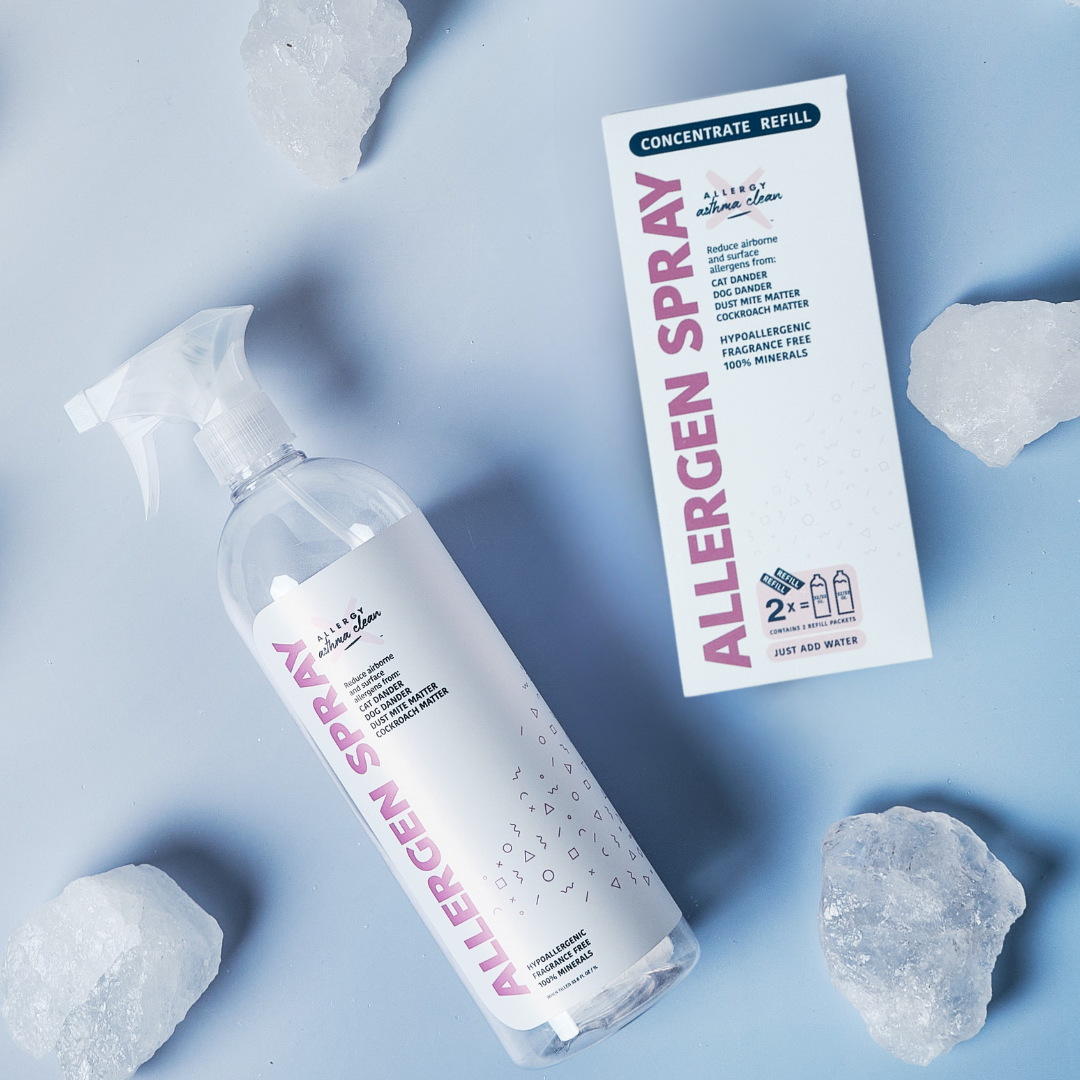
In the home: The most effective strategy is reducing exposure to allergens that trigger histamine release. This is where our family's mission at Allergy Defender comes into focus. Rather than just treating symptoms after the fact, we believe in neutralizing allergens at the source. Our mineral-based allergen spray works by denaturing the protein structures in common allergens like pet dander, pollen, and dust mites—essentially disabling them before they can trigger your immune system to release histamine. It's the approach my father developed after my life-threatening asthma attack, and it remains our foundation of effective allergy management: prevent the trigger rather than just blocking the reaction.
Additional strategies include:
- Use HEPA air purifiers to remove airborne allergens
- Wash bedding weekly in hot water
- Keep pets out of bedrooms
- Reduce indoor humidity to discourage dust mites and mold
- Remove carpeting in favor of hard flooring
- Shower and change your clothes after outdoor exposure during high pollen seasons
Antihistamine Medications: Antihistamine drugs don't stop histamine production—they block histamine from binding to its receptors, preventing symptoms.
First-Generation Antihistamines (cross into brain, cause drowsiness):
- Diphenhydramine (Benadryl)
- Chlorpheniramine (Chlor-Trimeton)
- Hydroxyzine (Vistaril, Atarax).
These are effective but cause significant sedation. Use them when drowsiness is acceptable or desired (nighttime allergies, using as a sleep aid).
Second-Generation Antihistamines (minimal brain penetration, less drowsy):
- Cetirizine (Zyrtec) - mild drowsiness possible
- Loratadine (Claritin)
- Fexofenadine (Allegra)
- Levocetirizine (Xyzal)
- Desloratadine (Clarinex) These are ideal for daytime use, providing symptom relief without impairing alertness or performance.
Other Medications:
- Nasal corticosteroid sprays: Reduce inflammation and prevent histamine release
- Mast cell stabilizers: Prevent mast cells from releasing histamine
- Leukotriene inhibitors: Block other inflammatory chemicals released alongside histamine
- Immunotherapy (allergy shots): Gradually desensitize your immune system to allergens
- Emergency Preparedness: If you have a history of severe allergic reactions, carry an epinephrine auto-injector (EpiPen, Auvi-Q) and know how to use it.
Epinephrine doesn't block histamine receptors—it counteracts histamine's dangerous cardiovascular effects and prevents anaphylactic shock.
For Histamine Intolerance: Low-Histamine Diet: Temporarily eliminating high-histamine foods and histamine liberators can help determine if food is contributing to your symptoms. Work with a dietitian or knowledgeable healthcare provider to ensure nutritional adequacy while restricting foods.
DAO Supplementation:
Some people benefit from supplemental DAO enzymes taken before meals. These supplements provide the enzyme your body may not be producing adequately, helping break down dietary histamine before it causes problems.
Gut Health Optimization: Since much histamine breakdown happens in your intestines, improving gut health is crucial:
- Address underlying conditions like SIBO or inflammatory bowel disease
- Use probiotics strategically such as choosing low-histamine producing strains.
- Repair intestinal permeability if leaky gut is present
- Ensure adequate intake of vitamins and minerals needed for enzyme function
Medication Review: Work with your doctor to identify any medications that might be interfering with histamine metabolism and explore alternatives if possible.
Stress Management: Since stress triggers histamine release, stress reduction techniques can help:
- Regular exercise (but avoid overexertion, which can trigger histamine)
- Meditation and mindfulness practices
- Adequate sleep
- Breathing exercises
- Counseling or therapy if you have anxiety
Common Questions About Histamine Answered
Does everyone produce histamine? Yes. Histamine production is essential for survival. Every person produces histamine as part of normal immune function, digestion, sleep regulation, and brain activity. The difference lies in how much histamine you produce, how sensitive your tissues are to it, how efficiently you break it down, and what triggers its release.
Can you be "allergic" to your own histamine? No. You cannot be allergic to histamine itself. Allergies are immune reactions to foreign substances. However, some people have conditions like mast cell activation syndrome (MCAS) or mastocytosis where mast cells release histamine too easily or in excessive amounts, causing severe symptoms without typical allergic triggers.
Why do allergies seem worse at certain times? Several factors influence histamine levels and allergic response severity:
- Allergen load: More exposure means more histamine release
- "Histamine bucket" theory: Your tolerance for histamine varies based on total load from all sources (environmental allergens, stress, hormones, dietary histamine)
- Hormonal cycles: Estrogen affects histamine metabolism; many women notice worse allergies during certain menstrual phases
- Time of day: Histamine levels naturally fluctuate; many people experience worse symptoms in early morning
- Seasonal variations: Different allergens peak at different times; inflammation from one allergen can increase sensitivity to others.
Are there natural ways to reduce histamine? Several natural approaches may help, though they shouldn't replace medical treatment for severe allergies. The following four supplements are the "Mount Rushmore" of natural histamines.
- Quercetin: A flavonoid found in apples, onions, and tea may stabilize mast cells and reduce histamine release. Limited research suggests potential benefit, though more studies are needed. It's believed to prevent histamine release.
- Vitamin C: An antioxidant that may help break down histamine. Some research indicates it can reduce histamine levels in the blood.
- Stinging Nettle: Traditionally used for allergies, with some evidence suggesting it may reduce histamine release. It's used to block histamine receptors.
- Bromelain: An enzyme from pineapples with anti-inflammatory properties that may help with histamine-related inflammation.
Allergy Defender carries a supplement called EnviroDefender that does indeed contain all four of the above mentioned natural approaches. Here's how this supplement can help:
It Puts the Brakes on Histamine
EnviroDefender* includes ingredients that work on all phases of histamine in the body: its production, its release, and its degradation.
Grapeseed extract inhibits histidine decarboxylase, an enzyme responsible for histamine production.* Quercetin is thought to slow the release of histamines, while nettles inhibits mast cells and acts against histamine receptors (Thornhill, and Kelly; Roschek, et al)1 Quercetin has been shown to promote eye comfort in human studies (Remberg et al; Hirano et al; Shishehbor et al).2 A well-controlled human clinical trial found nettles also provides nasal comfort* (Mittman).3
Finally, vitamin C helps break down histamine that has already been released ("Histamine Intolerance: Causes, Symptoms, and Test").4 Bioflavonoids are antioxidants that occur naturally alongside vitamin C in citrus fruits and may improve the action of vitamin C, either by helping transport it or making it more active (Marcin, and Sampson).5
They also carry a supplement called HistaDefender DAO which includes Catalase and Maritime Pine. Catalase and Maritime Pine are the "experts" brought in for deep cleanup with a high level defense of histamine.
Always consult a healthcare provider before starting supplements, especially if you take medications or have underlying health conditions.
The Future of Histamine Research and Treatment
Scientific understanding of histamine continues to evolve, opening new possibilities for treating allergies and related conditions.
Targeted Therapy Researchers are developing more selective medications that target specific histamine pathways without affecting others. For example, drugs that block only H1 receptors in peripheral tissues while leaving brain H1 receptors unaffected would provide allergy relief without drowsiness. Similarly, medications specifically targeting H4 receptors show promise for treating chronic itch, inflammatory conditions, and certain types of cancer, without the side effects of blocking other histamine receptors.
Personalized Medicine Genetic testing can identify variations in genes controlling histamine metabolism (DAO, HNMT), histamine receptors, and immune responses. In the future, this information might guide personalized treatment plans—determining which medications will work best for you, which foods to avoid, and whether you'd benefit from enzyme supplementation.
Mast Cell Stabilizers - New mast cell stabilizing medications that prevent histamine release before it happens, rather than blocking its effects after release, are under development. These could offer advantages over antihistamines for certain conditions.
Microbiome Modulation - As we better understand how gut bacteria influence histamine production and metabolism, targeted probiotic therapies designed to reduce histamine-producing bacteria and enhance histamine-degrading strains may become available.
Allergen Immunotherapy Advances - Traditional allergy shots require years of treatment. Newer approaches using modified allergens, different delivery methods, and combination therapies aim to achieve desensitization more quickly and safely.
Taking Control of Your Histamine Responses
Understanding what histamine does—both its beneficial roles and its involvement in allergies empowers you to manage your symptoms more effectively. Histamine isn't your enemy; it's a crucial component of your immune system, digestion, brain function, and more. The problem arises when your body releases too much in response to harmless triggers or can't break it down efficiently.
Effective histamine management combines:
- Prevention: Reducing exposure to allergens that trigger release
- Neutralization: Disabling allergens before they trigger your immune system
- Blocking: Using antihistamines to prevent histamine from binding to receptors
- Optimization: Supporting your body's natural histamine breakdown systems
- Treatment: Addressing underlying conditions that dysregulate histamine
At Allergy Defender, our approach focuses on the first two strategies—prevention and neutralization. Born from personal experience with life-threatening allergies, our mineral-based solutions represent a commitment to helping families manage allergen exposure safely and effectively. By neutralizing up to 99% of allergens like pet dander, pollen, and dust mites before they can trigger histamine release, we help interrupt the allergic cascade at its source. You don't have to live at the mercy of histamine. With knowledge, the right tools, and a comprehensive management strategy, you can reduce symptoms, improve your quality of life, and take back control from your allergies. Your body's histamine responses tell a story—they're trying to protect you, even when they're misfiring. Listen to that story, understand it, and work with your body rather than against it. That's how you achieve lasting relief and genuine wellbeing.
Frequently Asked Questions About Histamine
Can stress really increase histamine? Absolutely. The connection between psychological stress and histamine is well-documented. Stress activates your sympathetic nervous system and hypothalamic-pituitary-adrenal (HPA) axis, which can trigger mast cells to release histamine. This explains why many people notice their allergies, hives, or other histamine-related symptoms worsen during stressful periods. Chronic stress can also dysregulate your immune system, potentially making you more prone to allergic reactions. Managing stress isn't just beneficial for mental health—it's a legitimate strategy for reducing histamine-related symptoms.
Do antihistamines make your body produce more histamine? No. Antihistamines block histamine receptors; they don't affect how much histamine your body produces. When you stop taking antihistamines, your symptoms may return, but this is because the medication's blocking effect has worn off, not because your body has ramped up histamine production. However, some people experience "rebound" symptoms when discontinuing certain medications (particularly decongestants and nasal sprays), which can feel like worsening allergies. This is different from increased histamine production and is related to physiological adjustments to the medication's absence.
Is it possible to develop allergies later in life? Yes, and it's increasingly common. Adult-onset allergies can develop even if you've never had allergies before, and you can become allergic to substances you've been around for years. This happens through a sensitization process where repeated exposures eventually cause your immune system to develop IgE antibodies against a substance. Researchers don't fully understand why some people develop new allergies in adulthood, but factors may include:
- Changes in immune system function with age - cumulative environmental exposures
- Gut microbiome changes
- Hormonal shifts
- Increased pollution and allergen load
- Previous viral infections affecting immune regulation
What foods are highest in histamine?
Aged, fermented, or processed foods typically contain the most histamine: aged cheeses (parmesan, cheddar, gouda), fermented products (sauerkraut, kimchi, yogurt), cured meats (salami, pepperoni, bacon), smoked fish, alcoholic beverages (especially wine and beer), vinegar-containing foods, and leftover meat (histamine increases as food sits). Some foods don't contain much histamine but trigger your body to release stored histamine—these include citrus fruits, strawberries, chocolate, tomatoes, and certain nuts.
How long does it take for histamine levels to go down after exposure to an allergen?
The acute histamine release during an allergic reaction peaks within 15-30 minutes and typically subsides within a few hours as your body breaks down the histamine. However, inflammation can persist longer. With continued allergen exposure, histamine levels remain elevated. Removing the allergen source is essential for levels to normalize. Antihistamines can provide relief within 30 minutes to 2 hours, depending on the formulation.
Can you have too little histamine?
Yes, though it's rare. Histamine deficiency can theoretically impair immune responses, reduce stomach acid production (leading to digestive problems), and affect sleep-wake regulation and cognitive function. However, because histamine is produced by many cell types throughout your body, complete deficiency is uncommon. More often, problems arise from histamine excess or impaired breakdown.
Why do antihistamines stop working over time?
True tolerance to antihistamines is uncommon. If you feel they're becoming less effective, several factors might be responsible: increased allergen exposure overwhelming the medication's capacity, progression of underlying allergies, development of nasal congestion that antihistamines don't address well (requiring nasal steroids), or expectation that symptoms should disappear completely (antihistamines reduce symptoms by 60-70% on average, not 100%). If effectiveness seems to decrease, consult an allergist to reassess your treatment plan.
Is histamine intolerance the same as an allergy?
No. Histamine intolerance results from inability to break down dietary or internal histamine efficiently, leading to accumulation and symptoms. It's not an immune system reaction and doesn't involve IgE antibodies. True allergies involve your immune system mistakenly identifying a substance as dangerous and producing IgE antibodies that trigger mast cells to release histamine. The symptoms can overlap, but the mechanisms and treatments differ significantly.
Can exercise trigger histamine release?
Yes. Physical activity, particularly intense exercise, can stimulate histamine release through several mechanisms: increased body temperature, mechanical stress on tissues, and changes in blood flow. Some people experience exercise-induced urticaria (hives) or even exercise-induced anaphylaxis—a rare but serious condition. For most people, exercise-related histamine release is mild and harmless. If you experience concerning symptoms during exercise, consult a healthcare provider.
What's the connection between histamine and headaches?
Histamine can trigger headaches through multiple pathways. It dilates blood vessels in your brain, potentially causing migraine or vascular headaches. Many migraine sufferers have elevated histamine levels. High-histamine foods, alcohol (which both contains histamine and blocks DAO), and allergic reactions commonly trigger headaches. Some people with histamine intolerance experience frequent headaches or migraines that improve on a low-histamine diet.
Are there foods that help lower histamine levels?
Fresh, unprocessed foods are lowest in histamine. To support histamine breakdown, consume foods rich in nutrients that help DAO function: vitamin C (bell peppers, broccoli, citrus fruits—if you tolerate them), vitamin B6 (poultry, fish, potatoes), copper (liver, shellfish, nuts and seeds), and zinc (meat, pumpkin seeds, legumes). Some foods may have mild antihistamine properties: fresh ginger, garlic, onions, apples (contain quercetin), and fresh herbs like basil and thyme.
Can dehydration affect histamine levels?
Yes, dehydration may increase histamine release as part of your body's stress response to a fluid deficit. Additionally, adequate hydration helps your kidneys excrete histamine metabolites efficiently. While staying hydrated won't cure allergies, it supports your body's histamine regulation mechanisms. Aim for adequate fluid intake, particularly during allergy season or when experiencing symptoms.
Why do allergies sometimes get better or worse without apparent reason?
Your total histamine "bucket" fluctuates based on multiple inputs: environmental allergen exposure, dietary histamine, stress levels, hormonal status, gut health, sleep quality, illness or inflammation, and medication use. Even if one factor (like pollen exposure) remains constant, changes in other factors can push you over your symptom threshold or bring you below it. This explains the seemingly random variation in symptom severity many people experience.
- Thornhill, Stacy M., and Anne-Marie Kelly. "Natural Treatment of Perennial Allergic Rhinitis." Alternative Medicine Review, vol 5, no. 5, 2000, pp.448-454.Thorne Research, http://www.altme-drev.com/archive/publications/5/5/448.pdf.
- Roschek Bill et al "Nettle Extract (Urtica dioica) Affects Key Receptors and Enzymes Associated with Allergic Rhinitis." Phytotherapy Research. vol 23, no. 7, 2009, pp.920-926. Wiley, doi:10.1002/ptr.2763.
- Shishehbor, F. et al "Quercetin Effectively Quells Peanut-induced Anaphylactic Reactions in the Peanut Sensitized Rats." Iranian Journal of Allergy, Asthma, and Immunology, vol 9, по. 1, 2010, рр. 27-34.
- Mittman, Paul. "Randomized, Dou-ble-Blind Study of Freeze-Dried Urtica Dioica in the Treatment of Allergic Rhinitis." Planta Medica, vol 56, no. 1, 1990, pp.44-47. Georg Thieme Verlag. KG, doi:10.1055/s-2006-960881.