


Magnesium Spray Oil: Complete Guide to Benefits, Uses, and Application
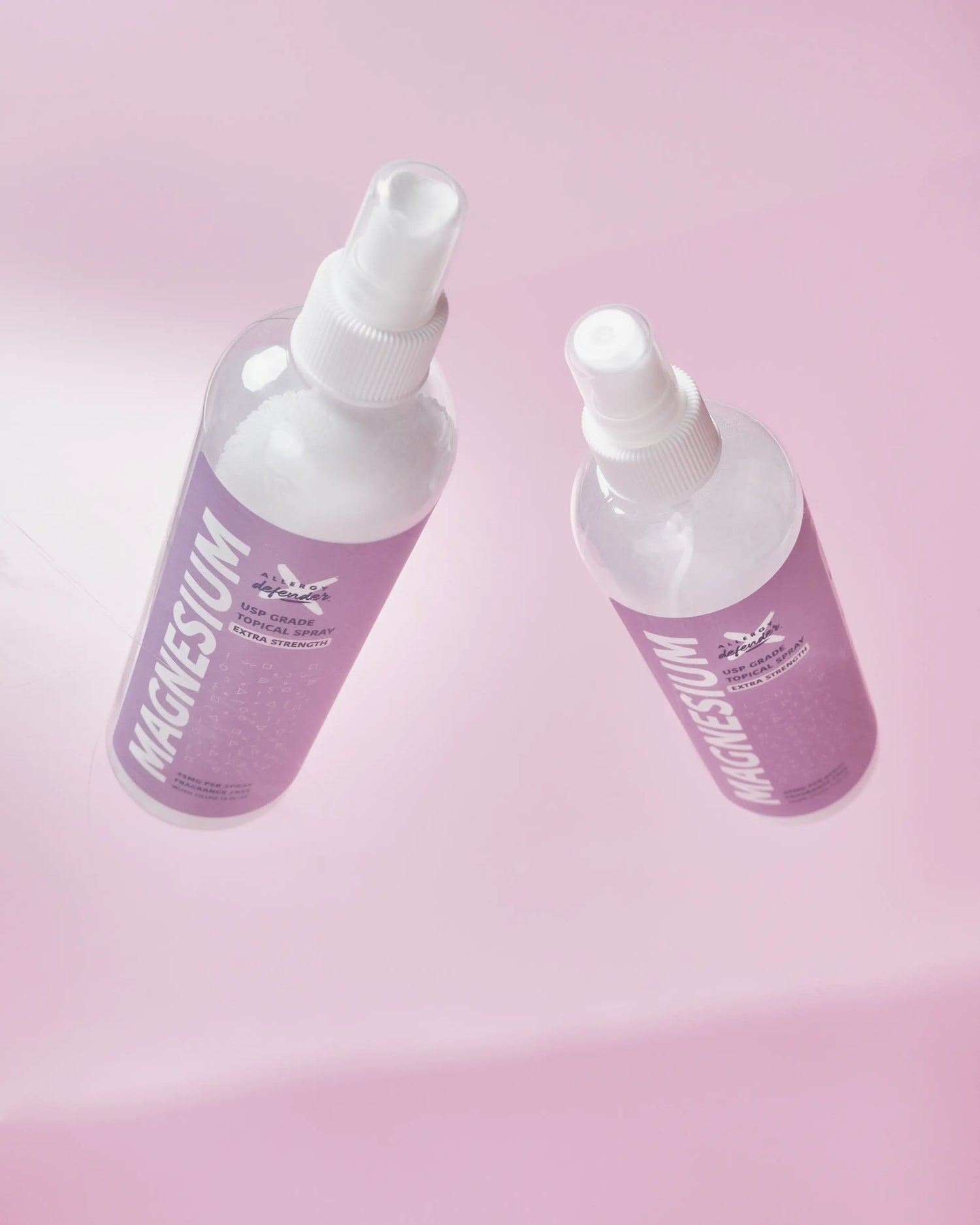
TL;DR Magnesium spray oil is a concentrated magnesium chloride solution (not actual oil) that feels slippery on skin, used for muscle pain relief, improved sleep quality, and reduced cramps. A 2023 pilot study showed transdermal magnesium reduced peripheral neuropathy symptoms in chronic kidney disease patients Liebert PubPubMed. A 2015 feasibility study found transdermal magnesium chloride applied to limbs improved quality of life for fibromyalgia patients ScienceDirectPubMed. Magnesium by Allergy Defender delivers 45mg per spray (180mg in 4 sprays—highest on market). Apply 2-5 sprays on clean, dry skin, massage in, leave 20-30 minutes.
Key Takeaways:
- Highest concentration available – Magnesium by Allergy Defender offers 45mg elemental magnesium per spray (180mg in 4 sprays), compared to typical products delivering 66mg total in 4 sprays
- Peripheral neuropathy evidence – 2023 study: chronic kidney disease patients using 5 daily sprays for 12 weeks experienced decreased tingling, numbness, and pain despite minimal blood magnesium changes HealthlinePubMed
- Fibromyalgia support – 2015 Mayo Clinic study: participants applying 4 sprays per limb twice daily (400mg/day) for 4 weeks reported reduced pain intensity, decreased morning stiffness, improved physical functioning, and better sleep Effects of transdermal magnesium chloride on quality of life for patients with fibromyalgia: a feasibility study - PubMed +2
- Proper application protocol – apply 2-5 sprays on clean, dry skin after showering, massage in, leave 20-30 minutes before washing; start conservatively and increase based on tolerance
- Limited transdermal absorption – 2017 pilot study showed modest increases in serum magnesium after 2 weeks of transdermal cream application PLOSPubMed; absorption likely occurs through hair follicles/sweat glands (0.1-1% of skin surface)
- Comprehensive approach recommended – use Magnesium by Allergy Defender alongside dietary sources (leafy greens, nuts, seeds) and oral supplements for both localized and systemic magnesium support
Magnesium Spray Oil: Complete Guide to Benefits, Uses, and Application
Despite its name, magnesium spray oil contains no oil at all. This increasingly popular wellness product is actually a concentrated magnesium chloride solution that feels slippery on the skin, creating an oil-like sensation that gave it its misleading name. As more people seek alternatives to taking oral magnesium supplements, topical magnesium has emerged as a compelling option for those looking to support muscle health, improve sleep quality, and address various health concerns.
This comprehensive guide explores everything you need to know about magnesium spray oil, from its scientific backing to practical application techniques. Whether you’re dealing with muscle cramps, sleep disorders, or simply want to optimize your body’s magnesium levels, understanding how to properly use and choose magnesium spray can make a significant difference in your wellness routine.
What is Magnesium Spray Oil?
Magnesium spray oil is a highly concentrated aqueous solution of magnesium chloride in water, typically containing 30-35% magnesium chloride by weight. The term “oil” is purely descriptive of its texture rather than its actual composition – when applied to skin, the magnesium chloride solution creates a slippery, slightly oily sensation despite being completely water-based.
The primary ingredient in pure magnesium oil is magnesium chloride, often sourced from ancient seabeds like the Zechstein Sea bed in the Netherlands or from deposits found 1,600 meters below the seabed. These sources are prized for their purity and minimal contamination from modern pollutants. High-quality products use magnesium chloride flakes dissolved in distilled water to create the final solution.
Magnesium spray oil is available in several convenient forms:
-
Spray bottles: The most common format, allowing for easy application across large areas
-
Roll-on applicators: Ideal for targeted application to specific areas
-
Pump dispensers: Suitable for precise dosing and mess-free application
The concentration of magnesium chloride solution varies between products, but most commercial preparations contain approximately four sprays delivering about 66 mg of elemental magnesium. However our Magnesium delivers a powerful 45mg per spray so 4 sprays equals 180mg, the highest on the market. This topical magnesium serves as an alternative to oral magnesium supplementation, particularly appealing to those who experience digestive issues with oral supplements or prefer localized application for specific concerns.
The purpose of using magnesium oil spray extends beyond simple magnesium supplementation. It offers a targeted approach to delivering magnesium ions directly to areas where they’re needed most, whether for muscle recovery, pain relief, or general wellness support.
Health Benefits and Uses
Magnesium plays a crucial role in over 700 enzymatic reactions throughout the human body, making it essential for proper muscle function, nerve transmission, and cellular energy production. When applied topically as magnesium spray, users report a range of therapeutic effects, though it’s important to understand both the potential benefits and the limitations of current scientific evidence.
The primary benefits reported by users include muscle pain relief, improved sleep quality, and reduced muscle cramps. Secondary benefits often mentioned include stress reduction and general relaxation support. While anecdotal evidence is abundant, the scientific research supporting transdermal magnesium absorption and its clinical effectiveness is still developing.
Muscle Pain and Cramps
Magnesium’s role in muscle contraction and relaxation makes it a popular choice for addressing muscle pain and cramps. The mineral helps regulate calcium flow in muscle cells, which is essential for proper muscle function. When muscles are deficient in magnesium, they may experience increased tension, cramping, and delayed recovery after exercise.
For nighttime leg cramps, many users apply magnesium spray to their legs 30-60 minutes before bedtime. This preventive approach aims to ensure adequate magnesium availability in muscle tissue when cramps are most likely to occur. Post-exercise application has also gained popularity among athletes and fitness enthusiasts who use magnesium spray on sore muscles to support recovery and reduce muscle soreness.
User testimonials frequently describe rapid relief from muscle aches and improved recovery times, though individual responses can vary significantly. The localized application allows users to target specific problem areas, such as tight calves, tense shoulders, or overworked quadriceps.
Sleep Quality Improvement
One of the most popular applications of magnesium spray is for sleep support. Many users apply the spray to their feet before bedtime, believing this promotes better sleep quality through magnesium’s calming effects on the nervous system. Magnesium plays a role in regulating neurotransmitters that promote sleep and relaxation, including GABA.
The timing of application appears important for sleep benefits. Most users report optimal results when applying magnesium spray 30-60 minutes before their intended bedtime, allowing time for potential absorption and the calming effects to take place. While the anecdotal evidence for sleep improvement is substantial, it’s worth noting that scientific research specifically on topical magnesium for sleep quality remains limited.
Some users combine magnesium spray with other sleep hygiene practices, such as dimming lights, avoiding screens, and maintaining a cool bedroom temperature, creating a comprehensive approach to sleep improvement.
Peripheral Neuropathy
A notable 2023 study examined the effects of transdermal magnesium on patients with chronic kidney disease experiencing peripheral neuropathy symptoms. Participants used 5 sprays daily for 12 weeks, targeting their affected limbs with the magnesium chloride solution.
The results showed significant symptom reduction by weeks 8 and 12 of treatment. Participants reported decreased tingling, numbness, and pain in their extremities. Interestingly, these improvements occurred despite minimal changes in blood magnesium levels, suggesting that the benefits may result from localized effects rather than systemic magnesium increase.
The application protocol involved applying the spray directly to the affected arms and legs, with participants instructed to leave the solution on their skin for at least 20 minutes before washing. This study provides some of the strongest evidence to date for therapeutic benefits of topical magnesium oil in a specific clinical condition.
Fibromyalgia Support
Research from 2015 investigated magnesium spray’s potential benefits for fibromyalgia patients. The study protocol involved applying 4 sprays per limb twice daily for one month, providing a substantial daily dose of topical magnesium to participants with this chronic pain condition.
Results indicated improvements in several key areas: reduced pain intensity, decreased morning stiffness, and improved physical functioning. Participants also reported better mood and sleep quality during the treatment period. These findings suggest that magnesium spray may serve as a valuable complementary therapy alongside conventional fibromyalgia treatments.
The study’s approach of applying magnesium spray to all four limbs twice daily demonstrates the potential for full-body topical magnesium therapy in chronic pain conditions. However, researchers noted that larger, longer-term studies are needed to confirm these preliminary findings.
Scientific Evidence and Absorption
The current research status on transdermal magnesium reveals a complex picture. While numerous small studies and anecdotal reports suggest benefits, the evidence base remains limited compared to the robust research supporting oral magnesium supplementation. The primary challenge lies in demonstrating significant transdermal absorption of magnesium through the intact skin barrier.
Human skin presents a formidable barrier to magnesium ions due to its structure and function. The outermost layer of skin, the stratum corneum, is designed to keep substances out rather than allow them in. Magnesium ions face particular challenges in penetrating this barrier due to their size and charge.
The most likely absorption pathways for topical magnesium oil are through hair follicles and sweat glands, which represent only 0.1-1% of the skin’s total surface area. This limited pathway helps explain why measurable increases in blood magnesium levels are often minimal or absent in studies of topical application.
Transdermal Absorption Studies
A 2017 study provided some evidence for transdermal magnesium absorption by measuring slight increases in magnesium levels after 2 weeks of magnesium cream application. However, the increases were modest and didn’t reach the levels typically seen with oral magnesium supplementation.
Research conducted using Dead Sea minerals has indicated some degree of mineral penetration through the skin, though the clinical significance of these findings remains debated. The question isn’t whether any magnesium penetrates the skin – it’s whether enough penetrates to produce meaningful therapeutic effects.
Most studies examining topical magnesium show minimal changes in blood magnesium levels, leading some researchers to question whether the reported benefits result from systemic magnesium absorption or other mechanisms. Possible alternative explanations include placebo effects, localized skin sensations, or indirect effects on the nervous system through skin receptors.
Comparison with Oral Supplementation
Oral magnesium supplements have well-documented effectiveness for correcting magnesium deficiency and providing therapeutic benefits. The bioavailability of oral magnesium varies by form, with magnesium citrate, glycinate, and malate generally offering better absorption than magnesium oxide.
The primary advantage of oral magnesium supplementation is reliable, measurable increases in serum and tissue magnesium levels. Oral supplements can effectively correct deficiency states and provide the full range of magnesium’s health benefits when taken in appropriate doses.
Transdermal magnesium offers potential benefits in avoiding digestive side effects that some people experience with oral supplements, particularly at higher doses. Oral magnesium can cause diarrhea, nausea, and abdominal cramping, especially when taken in large amounts or poorly absorbed forms.
Current scientific consensus suggests that topical magnesium may provide some benefits but shouldn’t be considered a replacement for oral magnesium supplementation when addressing confirmed deficiency. The most evidence-based approach may involve using topical magnesium as a complementary therapy rather than a primary treatment.
How to Apply Magnesium Spray Oil
Proper application technique can significantly influence both the effectiveness and tolerability of magnesium spray oil. The process begins with preparing clean, dry skin to optimize potential absorption and minimize irritation. Most users find that applying magnesium spray after showering provides the best results, as the warm water and cleansing process prepare the skin for application.
The basic application process involves:
-
Skin preparation: Start with clean, dry skin, ideally after bathing
-
Initial application: Begin with 2-5 sprays on the chosen area
-
Distribution: Gently massage or rub the solution into the skin
-
Absorption time: Allow 20-30 minutes before washing or covering with clothing
-
Frequency: Start with once daily and adjust based on tolerance and results
Timing considerations play an important role in maximizing benefits. Many users prefer evening application, particularly when using magnesium spray for sleep support or muscle recovery. The 20-30 minute absorption period allows for optimal skin contact before the solution is disturbed by clothing or washing.
Starting dosage should be conservative, especially for first-time users. Beginning with 2-3 sprays allows you to assess skin tolerance and adjust accordingly. Some individuals may eventually use 10-15 sprays daily across multiple body areas, while others find optimal results with smaller amounts.
Best Application Areas
The choice of application area can influence both absorption potential and practical benefits. Research and user experience suggest that certain body areas may be more receptive to topical magnesium application.
Recommended application areas include:
-
Arms and legs: Large surface areas that are easily accessible and commonly used
-
Torso and stomach: Central body areas that may offer good absorption potential
-
Feet: Popular for sleep applications, though limited research supports this specific use
-
Targeted muscle groups: Direct application to areas experiencing tension or soreness
Areas to avoid include:
-
Face, particularly around eyes, nose, and mouth
-
Open wounds, cuts, or irritated skin
-
Recently shaved areas (may cause increased irritation)
-
Mucous membranes or sensitive tissue
Different body areas may have varying absorption rates due to differences in skin thickness, hair follicle density, and circulation. Arms and legs often provide a good balance of surface area and tolerability, making them popular choices for regular application.
Application Tips and Techniques
Successful long-term use of magnesium spray often depends on developing effective application techniques that minimize irritation while maximizing potential benefits.
Timing strategies:
-
Morning application may provide energy and muscle support throughout the day
-
Evening application can support relaxation and sleep quality
-
Post-workout application may aid in muscle recovery
Tolerance building approaches:
-
Start with every other day application to assess skin sensitivity
-
Gradually increase frequency as tolerance develops
-
Consider diluting the solution initially if irritation occurs
Combining with moisturizers: Many users find that applying a gentle moisturizer after the magnesium spray has absorbed helps reduce skin dryness and the sticky residue that some products leave behind. Natural options like aloe vera gel or coconut oil work well for this purpose.
For sensitive skin, some users dilute their magnesium spray with additional distilled water, creating a lower concentration that’s easier to tolerate while still providing magnesium exposure.
Choosing Quality Magnesium Spray Products
Selecting a high-quality magnesium spray oil requires understanding key ingredients, manufacturing standards, and product characteristics. The purity and concentration of magnesium chloride significantly impact both effectiveness and tolerability.
Essential quality indicators:
-
USP-grade magnesium chloride: Pharmaceutical-grade ingredients ensure purity and consistency
-
Appropriate concentration: Typically 30-35% magnesium chloride for optimal balance of potency and tolerability
-
Quality packaging: Effective spray mechanisms that deliver consistent doses
-
Third-party testing: Verification of purity and absence of heavy metals
Concentration considerations: Different products offer varying strengths, often labeled as regular strength, extra strength, or sensitive skin formulations. Beginners typically benefit from starting with regular strength products before potentially moving to higher concentrations based on tolerance and desired effects.
Bottle quality matters significantly for user experience. Effective spray mechanisms should provide consistent, fine misting without clogging or uneven distribution. Poor-quality sprayers can waste product and provide inconsistent dosing.
Integration with Overall Magnesium Strategy
Magnesium spray oil works best as part of a comprehensive approach to maintaining optimal magnesium levels rather than as a standalone solution. Understanding how topical magnesium fits into your overall nutritional and wellness strategy helps maximize its potential benefits while ensuring adequate magnesium intake.
The recommended daily allowance for magnesium varies by age and gender, with adult men typically needing 400-420 mg daily and adult women requiring 310-320 mg daily. Pregnant and breastfeeding women have higher requirements, often needing 350-400 mg daily.
Primary magnesium sources include:
-
Dietary sources: Leafy greens, nuts, seeds, whole grains, and legumes
-
Oral magnesium supplements: Tablets, capsules, and powders with proven bioavailability
-
Topical magnesium: Sprays, creams, and bath products for localized application
-
Epsom salt baths: Magnesium sulfate for relaxation and potential absorption
Magnesium rich foods should form the foundation of any magnesium strategy. Dark leafy greens like spinach and Swiss chard, nuts such as almonds and cashews, seeds including pumpkin and sesame seeds, and whole grains provide highly bioavailable magnesium along with other essential nutrients.
Risk factors for magnesium deficiency include:
-
Certain medications (diuretics, proton pump inhibitors, antibiotics)
-
Medical conditions affecting absorption (Crohn’s disease, celiac disease)
-
Chronic kidney disease requiring careful magnesium monitoring
-
Excessive alcohol consumption
-
High-stress lifestyles that increase magnesium loss
-
Intensive athletic training and excessive sweating
For individuals with risk factors for deficiency, relying solely on topical magnesium is unlikely to provide adequate supplementation. In these cases, oral magnesium supplementation combined with dietary optimization typically provides the most reliable approach to maintaining adequate magnesium levels.
Comprehensive supplementation strategy might include:
-
Daily dietary sources providing 200-300 mg magnesium
-
Oral magnesium supplements for reliable systemic effects
-
Topical magnesium for targeted muscle support and relaxation
-
Epsom salt baths for full body relaxation and potential magnesium exposure
Healthcare consultation becomes particularly important for individuals with chronic kidney disease, as they may need to limit magnesium intake due to reduced kidney function. Additionally, those taking medications that interact with magnesium should work with their healthcare provider to develop an appropriate supplementation strategy.
The timing of different magnesium sources can be optimized for specific goals. Morning oral supplementation may support energy and daily function, while evening topical application can promote relaxation and sleep quality. This approach allows for both systemic magnesium support and targeted topical benefits.
Understanding that magnesium spray oil likely provides localized rather than systemic effects helps set appropriate expectations. While users may experience muscle relaxation, pain relief, and improved sleep quality, these benefits shouldn’t be assumed to address underlying magnesium deficiency without additional dietary or supplemental sources.
Regular monitoring of magnesium levels through blood tests can help determine whether your overall strategy is maintaining adequate body’s magnesium levels. This is particularly important for individuals with health conditions that affect magnesium absorption or metabolism.
The integration of topical magnesium with other wellness practices—such as stress management, regular exercise, and adequate sleep—often provides synergistic benefits that exceed those achieved through any single intervention. This holistic approach recognizes that optimal health requires attention to multiple factors rather than relying on any single supplement or therapy.
For those new to using magnesium in any form, starting with a low dose approach across multiple delivery methods allows for gradual assessment of individual response and tolerance. This conservative strategy helps identify the most effective combination of dietary, oral, and topical magnesium sources for each person’s unique needs and circumstances.
Magnesium spray oil represents one valuable tool in the broader toolkit of magnesium supplementation options. When used appropriately as part of a comprehensive strategy, it can provide targeted benefits for muscle health, relaxation, and overall wellness while complementing other proven approaches to maintaining optimal magnesium status.