

Dog Wipes for Allergies: Managing Can f 1 and Living Comfortably
Dog allergen wipes help reduce Can f 1—the primary allergen found in dog saliva, urine, and skin cells. While no wipe can completely eliminate dog allergies, regular use combined with house cleaning and air filtration can significantly reduce allergen exposure and improve quality of life for allergic dog owners.
Key Takeaways
- Dog allergies affect millions globally, with Can f 1 protein as a primary trigger
- No dog breed is truly hypoallergenic—all dogs produce allergens regardless of coat type
- Pet wipes market growth reflects real demand, with hypoallergenic formulas leading sales
- Effective wipes contain soothing ingredients like aloe, vitamin E, and natural enzymes
- Wipes work best when used 2-3 times weekly, focusing on paws, coat, and face areas
The Reality of Dog Allergies: It's Not Just About Fur
If you're reading this, chances are you or someone you love deals with dog allergies. The sneezing, watery eyes, congestion—it's exhausting. And here's the part that surprises most people: you're not allergic to dog fur. You're reacting to proteins found in dog saliva, urine, and skin cells.
Can f 1 is the main culprit, though dog allergens are actually more complex than cat allergens. Unlike cats, where one protein (Fel d 1) dominates, dogs produce multiple allergens including Can f 1, Can f 4, Can f 5, and Can f 6! Each of these allergens are found in different body fluids and secretions. This complexity is one reason why managing dog allergies can feel overwhelming.
Here's what makes these allergens so persistent: they're incredibly lightweight and sticky. Once your dog sheds skin cells or grooms themselves, these microscopic proteins become airborne and cling to everything—your furniture, clothes, carpets, even your car interior. They can remain active in your environment for months.
The Truth About Hypoallergenic Dogs
Let's address the elephant in the room: there is no such thing as a truly hypoallergenic dog. Marketing has convinced many people that poodles, doodles, or other low-shedding breeds won't trigger allergies. The reality is more complicated.
Research examining dog hair and fur from various breeds—including those marketed as hypoallergenic—found that Can f 1 levels showed massive variability within breeds but minimal differences between them. Some "hypoallergenic" dogs actually had higher allergen levels on their coat than traditional breeds.
The key factor isn't the breed—it's the individual dog. Some dogs naturally produce more allergens than others, and factors like grooming frequency, diet, and even stress levels can influence allergen production.
Why Dog Allergen Wipes Are Worth Your Attention
You can't bathe your dog every single day—it would dry out their skin and strip essential oils from their coat. And face it, we are all too busy, too! But here's where wipes come in handy: they offer a practical way to reduce allergen levels between baths without the stress and time commitment of a full grooming session.
The pet wipes market has seen explosive growth, reaching $720 million globally in 2025 with projections to exceed $1.33 billion by 2035. This isn't just marketing hype—it reflects genuine demand from pet owners looking for manageable solutions to allergen control.
Dog wipes serve multiple purposes:
- Remove dirt, dander, and allergens from the coat
- Clean paws after outdoor walks (reducing tracked-in allergens)
- Spot-clean sensitive areas like face, ears, and rear
- Freshen coat between baths without harsh chemicals
What Makes Quality Dog Allergen Wipes Different
Not all pet wipes are created equal, and using the wrong ones can actually make things worse. Here's what separates effective dog allergen wipes from generic cleaning wipes:
pH-Balanced Formulation
Dog skin has a different pH than human skin. Quality dog wipes are formulated specifically for canine pH levels to avoid irritation and maintain the natural skin barrier.
Hypoallergenic Ingredients
The best wipes for allergies contain soothing, natural ingredients like:
- Aloe vera for moisturizing and calming skin
- Vitamin E for coat health
- Shea butter for gentle conditioning
- Chamomile for its anti-inflammatory properties
Free from Harmful Additives
Avoid wipes containing alcohol, parabens, phthalates, sulfates, or artificial fragrances. These can irritate your dog's skin and may even worsen allergic reactions in sensitive individuals.
Durable Yet Gentle Texture
Wipes need to be thick enough to handle grooming without tearing but soft enough not to irritate. Consumer reviews consistently emphasize this as a critical factor—thin wipes that fall apart are essentially useless.
How to Use Dog Allergen Wipes Effectively
Using wipes correctly makes all the difference. Here's the method that works best for most dog owners:
Step 1: Choose the Right Timing for You and Your Dog
Wait until your dog is calm—after a walk when they're tired, or during a quiet evening. FYI trying to wipe down an energetic puppy is an exercise in futility.
Step 2: Prioritize these High-Allergen Areas
- Paws (which track allergens throughout your home)
- Face and muzzle (where saliva accumulates)
- Chest and back (where dander concentrates)
- Rear and sanitary areas
Step 3: Use Gentle, Stroking Motions
Work in the direction of fur growth with smooth, petting-like strokes. Fold the wipe to a clean section as it picks up dirt and dander.
Step 4: Establish a Routine
For maximum allergen reduction, wipe down your dog 2-3 times per week. Daily wiping works even better if your dog tolerates it. Consistency matters more than intensity.
What Dog Owners Are Experiencing
Real-world feedback on popular dog wipes shows generally positive results, with hypoallergenic formulas averaging 4.7 out of 5 stars from users. Common themes in reviews include:
Positive Feedback:
- Noticeable reduction in allergy symptoms
- Convenience for quick cleanups
- Effectiveness on paws after muddy walks
- Pleasant (not overwhelming) scent
Common Complaints:
- Wipes drying out due to poor packaging
- Thin texture that tears easily
- Smaller size than expected
These complaints highlight the importance of choosing quality products with proper packaging and durable construction.
Building a Complete Allergen Defense Strategy
Let's be realistic: wipes alone won't solve severe dog allergies. They're most effective when combined with other allergen-reduction strategies. Think of wipes as one piece of a larger puzzle.
For comprehensive allergen control, layer these approaches:
Home Allergen Neutralization
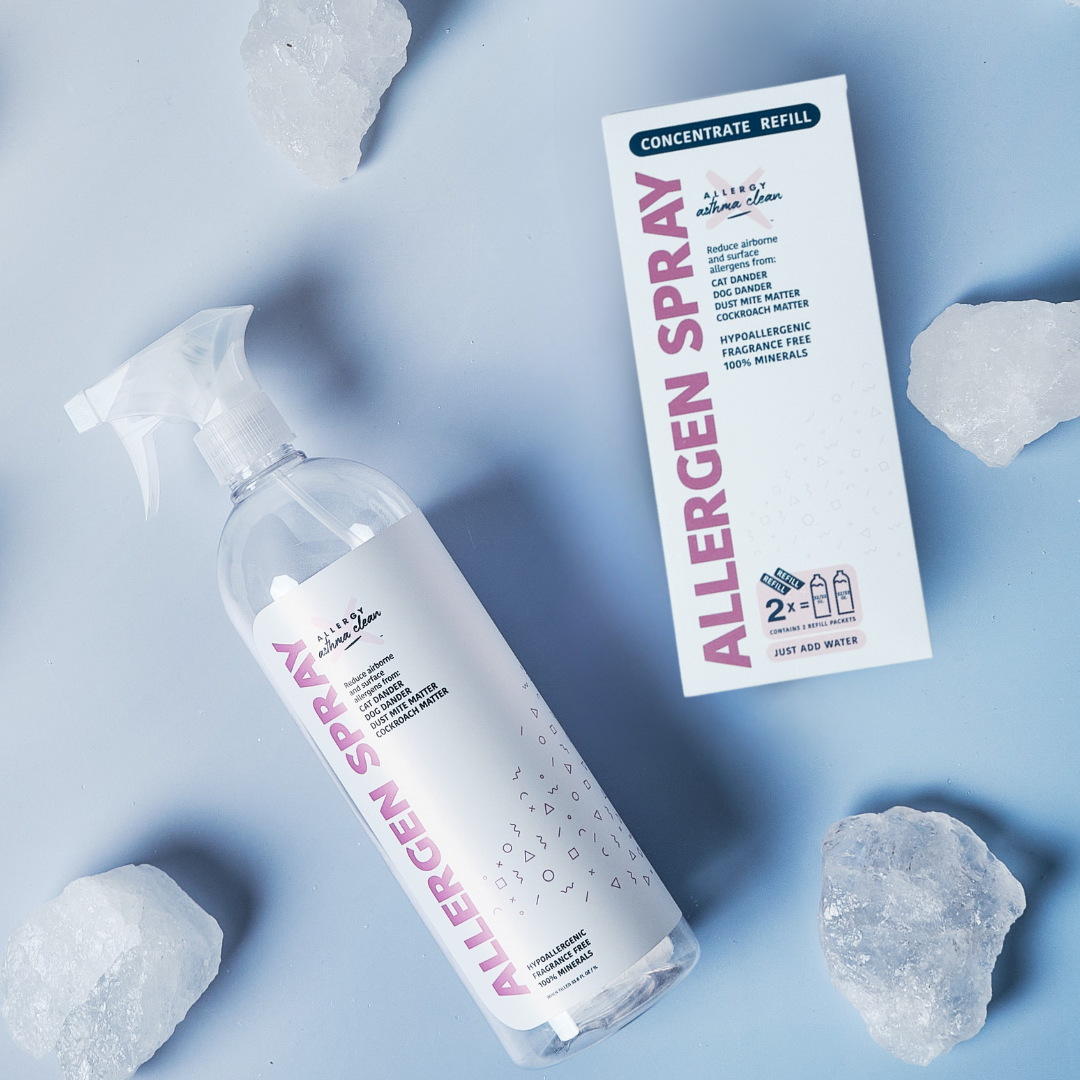
This is where the real magic happens. Products like Allergy Defender's Allergen Spray work on both surfaces and in the air, neutralizing allergens at their source. Our mineral-based formula has been third-party verified to reduce up to 99% of major allergens on surfaces—including dog dander.
Strategic Vacuuming
Vacuum 2-3 times weekly with a HEPA-filtered vacuum. Regular vacuums can actually worsen allergies by stirring allergens into the air.
Air Purification
True HEPA air purifiers remove airborne particles, though they don't address allergens that have already settled on surfaces.
Designate Pet-Free Zones
Keep bedrooms off-limits for your dog so you can create an allergen-reduced sanctuary for better sleep.
The Bottom Line: Can Dog Wipes Really Help?
Yes—but with realistic expectations. Dog allergen wipes offer a practical, low-stress method to reduce allergen exposure between baths. They won't cure your allergies or transform your highly allergenic dog into a hypoallergenic one, but they can meaningfully lower your allergen burden when used consistently.
The key is integration. Use quality wipes regularly, maintain clean living spaces with effective allergen-neutralizing products, and pay attention to what actually works for your specific situation. Every dog and every allergy sufferer is different.
For comprehensive allergen management beyond wipes, explore our science-backed solutions at AllergyDefender.com. Our Allergen Spray tackles dander at its source—on surfaces and in the air—so you can focus on really enjoying your lovable pooch, not just trying to manage your allergies.